Black Neurodivergent Role Models: Pioneers in Diversity and Inclusion
 ennaglobal
 0 Comments
During Black History Month, we celebrate the accomplishments of Black individuals across many fields. But an important and often underrepresented aspect of these achievements is neurodiversity—the natural variation in human cognition, including conditions like ADHD, autism, dyslexia, and more. Many Black neurodivergent individuals have broken barriers and made incredible contributions to society, showing that their neurodivergence is an asset rather than a limitation.
Here are some inspiring Black neurodivergent role models whose journeys continue to inspire and pave the way for future generations.
1. Solange Knowles (ADHD)

Grammy Award-winning artist Solange Knowles has been open about living with ADHD, a condition that affects attention and focus. Known for her distinct artistic style and groundbreaking work in music, Solange often speaks about how her ADHD influences her creative process. Despite facing challenges with focus and hyperactivity, she has been able to channel her neurodivergence into producing a wide range of music, choreography, and visual art.
Solange’s ability to navigate multiple creative directions simultaneously has made her a standout in the music industry, and her openness about ADHD serves as a reminder that neurodivergence can fuel creativity, rather than hinder it.
2. Will.i.am (ADHD)

Will.i.am, the musician, producer, and member of the Black Eyed Peas, has also spoken publicly about his experiences with ADHD. Known for his energetic performances and creative genius, he has shared how ADHD has impacted both his career and personal life. In interviews, Will.i.am has emphasised that ADHD gives him a unique ability to think outside the box and focus intensely on his creative projects.
By embracing his neurodivergence, Will.i.am has become one of the most innovative figures in the music and tech industries, using his platform to encourage others to harness their unique abilities. His journey underscores the importance of seeing ADHD not as a deficit, but as a different way of processing the world that can lead to incredible accomplishments.
3. Keisha Thompson (Autism and ADHD)

Keisha Thompson is a British poet, playwright, and performer who has been vocal about her experiences as an autistic woman with ADHD. Through her work in theatre and literature, Thompson challenges stereotypes about neurodivergence, particularly within Black and ethnic minority communities, where conversations about autism and ADHD can often be stigmatised.
Her critically acclaimed play, Man on the Moon, delves into themes of identity, family, and mental health. Thompson uses her platform to raise awareness about the intersection of neurodivergence and race, advocating for more inclusive conversations around mental health and neurodiversity in Black communities.
4. Kerry Washington (Dyslexia)

Kerry Washington, the acclaimed actress known for her role in Scandal, has been open about her experiences with dyslexia. Diagnosed as a child, Washington faced challenges in school and had to develop strategies to succeed in an industry where reading scripts is a fundamental skill.
Despite these hurdles, she has become one of Hollywood’s most prominent actresses, using her platform to advocate for greater awareness and understanding of learning differences. Washington emphasises the importance of persistence and self-acceptance, encouraging young people with dyslexia and other learning differences to embrace their unique talents.
5. Annie Elainey (Autistic)

Annie Elainey is a Black Latinx YouTuber, content creator, and disability advocate who has been diagnosed with autism. Elainey uses her platform to discuss the intersectionality of race, gender, and disability, providing valuable insights into the lived experiences of autistic people from marginalised backgrounds.
Through her engaging videos and social media presence, Elainey educates her audience about the challenges and joys of being autistic, offering a more nuanced perspective on what it means to be neurodivergent. Her advocacy work promotes acceptance, inclusion, and better representation for neurodivergent individuals, particularly women of color.
6. Chloe Hayden (Autistic and ADHD)
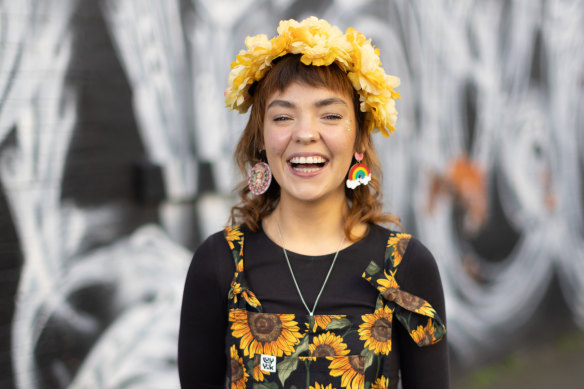
Chloe Hayden, an Australian actress, YouTuber, and neurodiversity advocate, identifies as both autistic and ADHD. Although Hayden is Australian, her activism and influence transcend borders, inspiring neurodivergent individuals from Black and ethnic minority backgrounds globally. She uses her platform to raise awareness about neurodiversity, particularly focusing on the underdiagnosis and misrepresentation of neurodivergent women of color.
Hayden’s advocacy work has helped bring much-needed visibility to neurodiversity, with her social media presence serving as a hub for others seeking community and support. Her story underscores the importance of intersectionality in discussions about neurodivergence, showing how race, gender, and neurodiversity intersect in complex ways.
7. Will Smith (ADHD)

Will Smith, the celebrated actor and musician, has openly discussed his experiences with ADHD. Although he was diagnosed later in life, Smith has shared how the condition affected his schooling and career. He has talked about using humour and creativity to cope with the challenges posed by ADHD.
As one of Hollywood’s biggest stars, Smith’s influence extends beyond film and music; he also uses his platform to advocate for mental health awareness and understanding of neurodiversity. By sharing his story, he aims to inspire others, particularly those in the Black community, to embrace their neurodivergent identities and understand that they can thrive despite any challenges.
Conclusion: Amplifying Neurodivergent Voices in the Black Community
As we celebrate Black History Month, it’s important to recognise and uplift neurodivergent voices within the Black community. By sharing these stories, we not only challenge stereotypes but also create more inclusive spaces where neurodivergent individuals from all backgrounds can thrive.
Let’s continue to celebrate the diversity of minds and encourage a future where all neurodivergent individuals are empowered to be their authentic selves—without limitations.