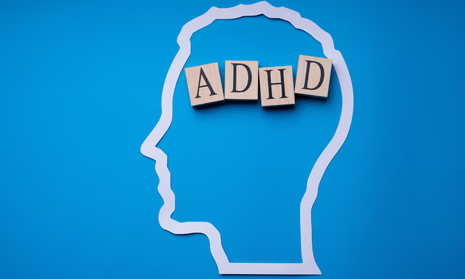
The Surge in ADHD Diagnoses and Prescriptions: Why It’s Not an Epidemic but a Wake-Up Call
 ennaglobal
 0 Comments
In recent years, headlines have been dominated by claims of an “ADHD epidemic.” Stories about the rise in ADHD diagnoses and the surge in people being prescribed ADHD medication appear almost weekly. For some, these reports raise alarm bells, suggesting overdiagnosis, social media trends, or a culture of medicalising normal behaviour.
But here’s the truth: there is no epidemic. What we are seeing is a long-overdue recognition of a condition that has been underdiagnosed and misunderstood for decades. The increase in diagnoses and prescriptions does not mean ADHD is suddenly more common. It means that more people are finally being recognised, validated, and supported.
In this blog, we’ll unpack the reasons behind the surge, dispel common myths, and explore what employers and managers need to know about ADHD in today’s workforce.
ADHD in the Headlines
ADHD (Attention Deficit Hyperactivity Disorder) is a neurodevelopmental condition that affects focus, attention, impulsivity, and regulation. It is lifelong, but for years it was framed as a disorder affecting only “hyperactive little boys.”
Fast forward to 2025, and the conversation has shifted dramatically. Adults are being diagnosed in record numbers. Women, in particular, are being recognised after years of being overlooked. Prescriptions for stimulant medications like methylphenidate (Ritalin) and lisdexamfetamine (Elvanse/Vyvanse) have increased significantly in both the UK and globally.
For example:
-
In the UK, ADHD medication prescriptions have risen more than 80% in the past five years, according to NHS data.
-
Referrals for ADHD assessments have grown so rapidly that waiting lists now stretch years long in some areas.
-
The fastest growth in diagnoses has been among adults, particularly women, overturning decades of stereotypes.
These shifts have fuelled sensationalist headlines about “too many people” being labelled ADHD. But a closer look shows something very different.
Why Diagnoses and Prescriptions Are Rising
1. Greater Awareness and Understanding
Public awareness of ADHD has exploded in the past decade. Social media has played a role, with platforms like TikTok enabling neurodivergent voices to share lived experiences. Many people are recognising their own symptoms after years of struggling.
Workplace conversations about neurodiversity have also contributed, giving adults permission to seek answers they never felt entitled to before.
2. Recognition of ADHD Beyond Stereotypes
For years, ADHD was misdiagnosed or ignored in women, people of colour, and those without the “classic” hyperactive traits. The current surge is correcting that. Adults who were missed as children are finally getting answers.
This is not overdiagnosis, it’s catching up on decades of underdiagnosis.
3. Better Access to Assessments
Although waiting lists remain a huge problem, more private clinics and digital health services are now offering ADHD assessments. This has made it easier for people to get diagnosed, even if NHS routes are overwhelmed.
4. Cultural Shifts Around Mental Health
Generations like Millennials and Gen Z are far more open to discussing mental health and seeking help. Rather than hiding struggles, people are advocating for themselves. Increased ADHD diagnoses are part of this broader cultural change.
5. Medication Works
Another factor behind the rise in prescriptions? ADHD medication is highly effective for many people. When properly prescribed and monitored, stimulants can transform lives, improving focus, reducing overwhelm, and enabling people to thrive at work and in education.
It’s not surprising that once more people are diagnosed, more people will be prescribed the treatments proven to help them.
Dispelling the Myths About an “ADHD Epidemic”
Myth 1: ADHD is being overdiagnosed
Fact: ADHD is still underdiagnosed in many populations, especially women, ethnic minorities, and older adults. The rise in numbers is correcting historic bias, not creating a new epidemic.
Myth 2: Social media is “causing” ADHD
Fact: Social media is not creating ADHD, but it is helping people recognise themselves in the lived experiences of others. While not a substitute for clinical diagnosis, it is a powerful tool for awareness.
Myth 3: ADHD medication is overprescribed and dangerous
Fact: ADHD medication is among the most researched treatments in psychiatry. When prescribed responsibly, it has high rates of effectiveness and safety. The problem is not overprescription, it is unequal access, with some waiting years while others pay privately.
Myth 4: Everyone has a bit of ADHD these days
Fact: Being forgetful or distracted does not mean someone has ADHD. True ADHD significantly impacts daily life across multiple settings (work, education, relationships). Dismissing it as “trendy” undermines the real struggles of those affected.
Why This Surge Matters for Employers
The rise in ADHD diagnoses isn’t just a healthcare story. It’s a workplace story.
With nearly half of Gen Z identifying as neurodivergent or having mental health differences, organisations will increasingly employ staff who are newly diagnosed with ADHD or who are waiting for assessment.
Here’s why employers should care:
-
Retention and performance: Employees who finally understand their ADHD may need reasonable adjustments to thrive. Without support, they risk burnout or leaving.
-
Stigma reduction: Managers need to move beyond outdated stereotypes of “lazy” or “disorganised” employees. ADHD is real, and employees with it bring unique strengths.
-
Legal compliance: In the UK, ADHD is covered by the Equality Act 2010. Employers have a duty to consider reasonable adjustments.
How Managers Can Support Employees with ADHD
With diagnoses rising, managers need practical strategies. Here are ways to respond proactively:
-
Create ADHD-friendly job descriptions
Clear, jargon-free language with focus on outcomes, not rigid qualifications. -
Offer flexible working arrangements
Remote work or hybrid models can reduce distractions and improve focus. -
Provide quiet spaces in the office
Essential for employees who struggle in open-plan environments. -
Encourage task management tools
Support use of digital apps, shared task lists, or project management software. -
Allow for movement
Many with ADHD focus better when they can use fidget tools, take walking breaks, or move between environments. -
Check in on wellbeing
Rising diagnoses mean some employees may be navigating this for the first time. Empathy and open dialogue are key.
Moving the Conversation Forward
The surge in ADHD diagnoses should not be seen as a crisis. It should be seen as progress. For too long, millions of people have been left unsupported, mislabelled, or told to “try harder.” Today, more people are being understood, treated, and given the chance to thrive.
Employers play a crucial role in this progress. By educating themselves, adapting policies, and embracing neurodiversity, organisations can turn awareness into action.
At Enna, we work with HR teams and managers to deliver neurodiversity training, conduct neuroinclusion audits, and provide tailored guidance for supporting neurodivergent employees, including those with ADHD.
👉 If your organisation wants to move beyond the myths and build a truly neuroinclusive workplace, contact us today.
Final Thoughts
ADHD is not new. It’s not trendy. It’s not an epidemic. What we’re seeing today is a long-overdue correction , one that is finally giving millions of people clarity, support, and the tools to succeed.
The question is not whether the surge in ADHD diagnoses and prescriptions is real. It is. The real question is whether society, and workplaces, are ready to respond.