7 Remarkable Neurodivergent Women Across The Globe
 ennaglobal
 0 Comments
It’s International Women’s Day today! And… Neurodiversity Celebration Week 2025 is just a few days away. What better way to celebrate us all than to create space for some incredible women? Let’s take a look at seven remarkable neurodivergent women from around the globe. They’ve shaped the world as it is today with their unique minds, talents, and insights.
Dr Temple Grandin (United States)

Dr Temple Grandin. (Image Credits: https://source.colostate.edu/temple-grandin-to-receive-csus-founders-day-medal/)
Dr Temple Grandin, diagnosed with autism, is a pioneering animal behaviour expert and professor renowned for revolutionising livestock facility design. Grandin has authored over 60 scientific papers and introduced more humane, stress-free practices in the cattle industry using her unique visual thinking abilities.
Grandin was among the first autistic people to share insights from her experience. She has become an outspoken advocate for autism rights and the neurodiversity movement, showing by example that neurodivergent minds can drive innovative solutions in science and industry.
In 2010, Grandin was named to Time magazine’s list of the 100 people who most affect the world, was the subject of an Emmy Award-winning HBO film starring Claire Danes, and delivered a widely viewed TED Talk.
Judy Singer (Australia)

Judy Singer. (Image Credits: https://medium.com/@autisticlouzanna/singing-the-praises-of-judy-singer-f59c2c2d5306)
An autistic sociologist from Australia, Judy Singer is credited with coining the term “neurodiversity” in the late 1990s.
In her 1998 honours thesis, she proposed viewing autism and related conditions not as deficits but as natural variations in how the brain works.
Inspired by biodiversity as an analogy, this idea helped spark a social movement that recognises the strengths of autistic, dyslexic, and ADHD individuals and advocates for their civil rights.
Singer’s paradigm shift in thinking has profoundly influenced disability policy and how society understands neurodivergent people.
From her website: “Neurodiversity refers to the virtually infinite neuro-cognitive variability within Earth’s human population. It points to the fact that every human has a unique nervous system with a unique combination of abilities and needs.”
Simone Biles (United States)
Simone Biles on Aug. 3, 2021 in Tokyo. (Image Credits: Laurence Griffiths/Getty.)
An American gymnast, Simone Biles is one of the most decorated athletes, with 7 Olympic and 30 World Championship medals. Biles has ADHD and faced public disclosure of her diagnosis when hackers leaked her medical records in 2016. She responded with grace and strength, affirming on social media that she’s taken ADHD medication since childhood and that “having ADHD and taking medicine for it is nothing to be ashamed of”.
By openly embracing her neurodivergence, Biles not only continued to dominate her sport but also became a role model for young people with ADHD – proving that focus and hyperdrive can be channelled into record-breaking excellence.
Erna Solberg (Norway)

Norway’s former PM Erna Solberg. (Image Credits: https://assets.weforum.org/editor/400IgGWv5LLVWehfjzB5ZCEDW4qBfrefJIJ74yFX0yw.jpg)
Erna Solberg, former Prime Minister of Norway, has led her country at the highest level while living with dyslexia. Diagnosed at age 13, Solberg has always been frank about her lifelong struggles with reading and writing.
Despite academic challenges in youth, she developed extraordinary leadership skills – heading Norway’s Conservative Party since 2004 and serving as Prime Minister from 2013 to 2021.
Nicknamed “Iron Erna,” she famously declared, “I am dyslexic, and I write it myself,” emphasising that she crafts her speeches despite difficulties. Solberg’s political success, achieved through her perseverance through dyslexia, inspires others by showing that learning differences are no barrier to leading a nation.
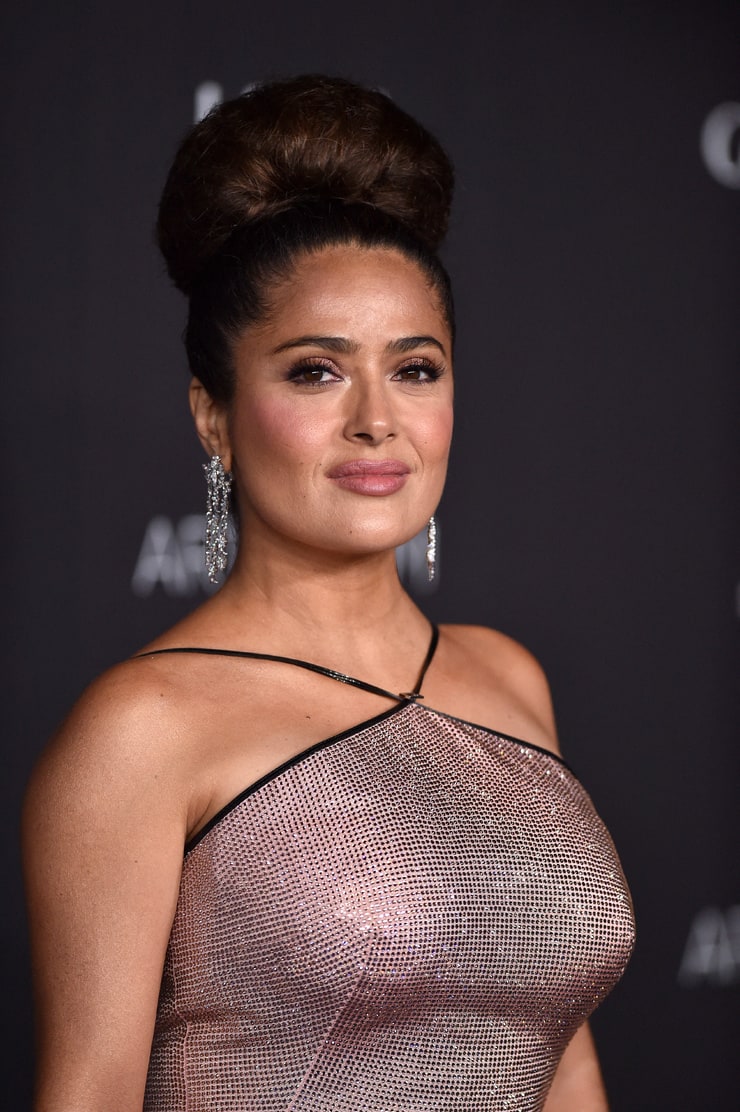
Salma Hayek (Mexico)

Salma Hayek. (Image Credits: https://iv1.lisimg.com/image/19954417/740full-salma-hayek.jpg)
Salma Hayek, a Hollywood actress and producer born in Mexico, has risen to fame internationally while navigating dyslexia.
Diagnosed in her teens, Hayek moved to the U.S. to pursue acting even before she spoke English fluently – a bold step that meant overcoming both a language barrier and a reading disorder.
She once told Oprah, “I didn’t speak English… I couldn’t drive, I was dyslexic,” recalling the hurdles she faced early on.
Hayek notes it might take her longer to read scripts than her peers, but she only needs to read them once to grasp the material thoroughly.
Today, as an Academy Award-nominated actress and one of Hollywood’s most successful Latina stars, Hayek demonstrates that dyslexia has not impeded her creativity or career.
It may have enhanced her determination and imaginative approach to storytelling.
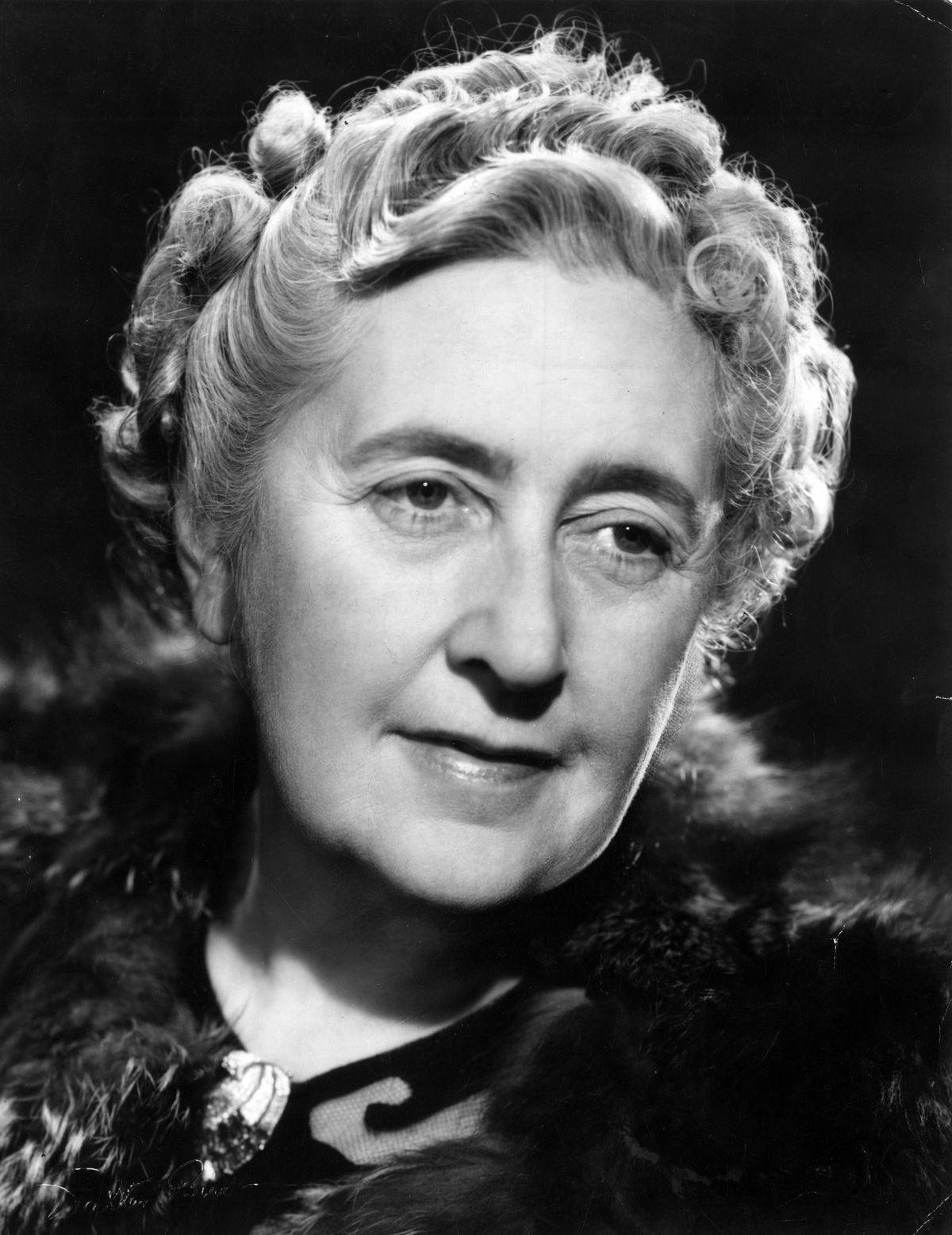
Agatha Christie (United Kingdom)
Agatha Christie. (Image Credits: https://cdn.mos.cms.futurecdn.net/oQMC6wHpw7vhv4o894haiQ-1200-80.jpg)
Dame Agatha Christie, the famed British “Queen of Crime”, authored 66 detective novels and sold over 4 billion books worldwide – all while contending with learning disabilities.
Christie had severe dysgraphia (difficulty writing) and possibly dyslexia, which made spelling and handwriting nearly impossible for her.
She often called herself the “slow one” in the family due to these struggles, and even as an adult, she couldn’t balance a chequebook.
Remarkably, she adapted by dictating her stories and relying on her extraordinary imagination and memory. “Living with learning disabilities didn’t stop [her] from becoming the best-selling novelist to date,” notes the University of Michigan’s Dyslexia Help Center. Agatha Christie’s legacy as the world’s best-selling novelist shows how dyslexic and dysgraphic thinkers can excel through creativity and perseverance.
Florence Welch (United Kingdom)
Florence Welch of Florence and the Machine (Image Credits: GETTY).
London-born Florence Welch, lead singer of the Grammy-nominated band Florence And The Machine, has transformed her neurodivergence into art. In school, she was diagnosed with both dyslexia and dyspraxia (a coordination disorder). These challenges made her feel “different from everyone else,” but they also fuelled her vivid creativity – she channelled her uniqueness into flamboyant fashion and a powerful stage presence.
Florence received special education support for reading and motor skills, which helped her manage her academics. As an adult, she has said that her atypical mind contributes to her songwriting and imaginative performances. Today, Welch’s dynamic musical career – marked by poetic lyrics and theatrical flair – showcases the unexpected strengths that can arise from dyslexic and dyspraxic perspectives, encouraging neurodivergent young people in the arts to embrace what makes them different.
Each of these seven remarkable women – across different eras, industries, and regions – illustrates the power of neurodiversity. Their achievements and advocacy efforts highlight that conditions like autism, ADHD, dyslexia, and dyspraxia are not hindrances to success but part of the rich tapestry of human talent. By being open about their neurodivergence and excelling in their fields, these trailblazers have helped change attitudes, proving that thinking differently can genuinely change the world.
About Enna Global
At Enna, we specialise in helping inclusive employers unlock the potential of neurodivergent talent. We offer tailored recruitment services, expert neurodiversity training, and innovative workplace solutions. Enna was founded in London by CEO Emily Banks in 2019. Our mission? To create truly inclusive workplaces where neurodivergent employees can thrive. Whether you’re looking to recruit exceptional neurodivergent candidates, enhance your team’s understanding with neurodivergence workshops, or advertise job opportunities that attract diverse talent, we’re here to support you. Explore our resources, success stories, and services to take your first step toward transforming your workplace and embracing the power of neurodivergence. We’re so happy you’re here! 😉